
UZOR
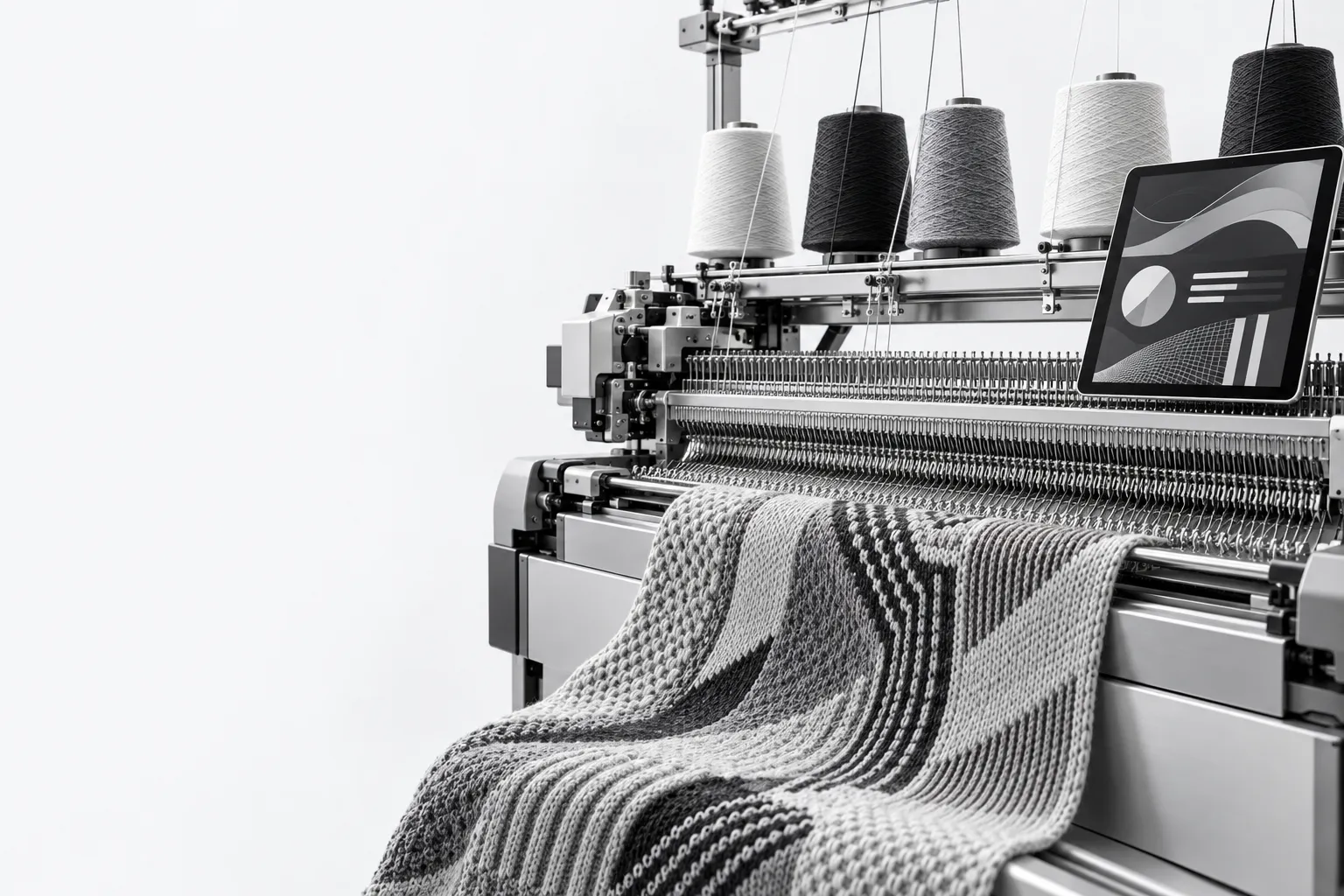
Knitting factory system: yarn stock by batch, usage per item, cost per article, machine load, a workshop camera, marketplace orders and profit on one screen.
The pain and the solution
The pain
- Yarn was estimated by eye and bought with a margin, so the factory overpaid for raw materials.
- Output was written in a notebook, and piece-rate wages were calculated with errors and padding.
- Machines stood idle unnoticed, and receiving and shipping were not recorded accurately.
- Cost was a 'yearly average', and the warehouse, marketplaces and accounting were not connected.
How we solved it
- Every metre of yarn is accounted for: stock by batch and usage by an exact norm per article.
- The workshop camera counts people, boxes and idle time without manual timesheets.
- The load of every machine and an order planner show where time is lost.
- Cost per item and profit per sales channel on the director's screen.
Recognise your task? We will solve it for you too.
Discuss a similar projectWhat we did
Yarn stock and usage
Yarn, fittings and packaging are kept in batches. Usage per item follows a set norm and is written off for each order automatically.
Cost price
Per article, including yarn, fittings, labour and packaging. When yarn goes up, you see which items lost margin.
Workshop camera
Connects to the cameras already on site. Counts people per shift, boxes at receiving and shipping, sees work and idle time. No video is stored.
Machines and plan
Load and efficiency of every machine, a planner that assigns orders to machines, plan versus actual for the workshop.
Orders and money
Marketplace, website and wholesale orders in one window, unit economics per channel and a live profit report.
Director's screen
People on shift, stock, batch movements, idle time and profit on one screen.
The project in detail
UZOR is a system for a knitting factory that used to keep its records in a notebook and by eye. We are building it one system: warehouse and production, orders and money, and on top of that a camera that watches the workshop.
Stock and cost price
Yarn, fittings and packaging are kept in batches, with stock visible in real time. Each article has a usage norm, so the system knows how much yarn an order needs and how many items the current stock will make. Materials are written off for each order automatically.
Cost is calculated for every item: yarn, fittings, labour and packaging. When yarn gets more expensive, the system recalculates the cost and shows which articles lost margin. This calculation already runs in another of our projects; we are moving it to the factory rather than writing it from scratch.
The workshop camera
The system connects to the cameras already installed at the factory, so nothing has to be bought. It counts people per shift and area, boxes and batches at receiving and shipping, and notices whether an area is working or idle. No video is stored; only the numbers go into the system.
We start with simple tasks: counting and motion launch quickly and need no long model training. Recognising defects and small flaws is a separate and much heavier stage that comes once the simple part works.
Machines, orders and money
For each machine you see how long it worked and how long it stood. The planner assigns orders to machines, and the director sees plan versus actual for the workshop.
Orders from marketplaces, the website and wholesale arrive in one window, with unit economics for each channel. Revenue, costs and margin come together in a live report instead of a spreadsheet done at the weekend.
Who it fits
Small sewing, knitwear and knitting factories, furniture and joinery shops: anywhere raw materials go into products by a norm, machines run in shifts and sales go through marketplaces and wholesale.
Discuss a similar project
Tell us about your task, and we will suggest how to build something like this for you.
- 01Analysis
We study processes, data and the points where value is lost, and fix the result we are working towards.
- 02Architecture and prototype
We design the system and build the first version on your real data. Stages and cost are agreed before work begins.
- 03Pilot
We launch in one area. Every stage is checked in a test version before it goes into operation.
- 04Scale and support
We connect the remaining areas, take responsibility for how the system runs and keep developing it.